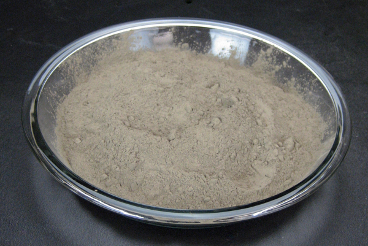
Blended cements provide significant advantages in both environmental performance and concrete quality. By incorporating supplementary cementitious materials, these products can improve concrete efficiency, enhance strength and durability, and support more sustainable construction practices. The use of these materials helps conserve natural resources while reducing energy consumption and emissions associated with traditional cement production.
Key benefits include:
- Lower water requirements for concrete mixes: Blended cement can achieve the required workability with reduced water content compared with traditional portland cement concrete. This helps improve fresh concrete performance while reducing shrinkage and permeability.
- Improved durability and long-term performance: Blended cements support continued strength development and enhance the durability of concrete structures. Materials such as silica fume can accelerate strength gain and contribute to shorter curing periods.
- Reduced heat generation and thermal cracking risks: By lowering the heat of hydration, blended cements help minimise thermal stresses within concrete, reducing the likelihood of cracking caused by temperature differences during curing.
- More economical concrete production: Supplementary mineral materials used in blended cements generally require less processing than portland cement, helping reduce production costs while maintaining performance.
- Support for sustainable construction and lower environmental impact: The reuse of industrial byproducts such as fly ash and slag helps reduce waste, conserve raw materials and decrease energy usage. This approach also contributes to lower greenhouse gas emissions associated with cement manufacturing.